
I reviewed the responsible gambling tools available for Canadian players and put together this practical guide to playojo responsible gambling limits and how to self exclude playojo. Below, I cover deposit limits, time reminders, time-out options, self-exclusion, self-assessment, and support.
Top PlayOJO Canada safer play tools
Choose the control that fits your situation before, during, or after a difficult session.
- Set daily, weekly, or monthly deposit ceilings
- Useful for players who want spending discipline
- Lower limits typically apply quickly
- Higher limits usually include a delay before activation
- Good after losses, stress, or repeated failed attempts to stop
- Blocks login, deposits, and play during the selected period
- Can often be set in account safeguards or via support
- Creates distance while you rebuild control and seek help
- Track time spent and avoid drifting into longer sessions
- Review actual account history instead of guessing
- Helpful for spotting rising frequency or spend patterns
- Works well with deposit limits and short breaks
★ 4.7 / 5 — based on 1,247 player reviews and editorial safety checks
Why responsible gambling tools matter at PlayOJO Canada
Responsible gambling means keeping your play within limits you choose in advance. In practical terms, that means treating games as entertainment, not as a way to make money, and keeping track of both time and spending.
From my review, limit tools and self-exclusion options are most useful before a problem grows. They reduce impulsive decisions, create space after a losing streak, and help players step back when play starts affecting sleep, mood, work, or finances.
PlayOJO Canada offers simple responsible gambling tools that can help players stay within a planned budget and session length. Using these settings is not a sign of weakness. It is a clear, proactive way to stay in control and make sure play remains manageable.
Most played slots in the PlayOJO app
All slots →







Overview of PlayOJO responsible gambling limits and tools
I usually break the available safeguards into a few core categories so players can decide what fits their situation. Some tools are preventive, while others are better when you already feel your play is getting harder to manage.
Here are the main responsible gambling tools covered on this page:
- Deposit limits
- Session and time reminders
- Time-out or cooling-off options
- Long-term self-exclusion
- Play history and self-assessment
- Getting help and support
In the sections below, I explain when each tool may help, how it generally works, and how to set it up in your PlayOJO Canada account.
Deposit limits at PlayOJO Canada — daily, weekly and monthly caps
A deposit limit lets you set the maximum amount you can add to your account over a chosen period. The most common timeframes are daily, weekly, and monthly, and many players use more than one at the same time for tighter control.
I find this tool especially useful for anyone who plays often, tends to deposit on impulse, or wants a fixed entertainment budget for the month. It can also help during stressful periods, when quick top-ups are more likely to happen without much thought.
Once your limit is reached, further deposits are blocked until that period resets. That means you can still browse or, where applicable, continue within your existing balance, but you cannot keep adding funds beyond the cap. After setting limits, you can return to the PlayOJO Canada casino lobby knowing your spending ceiling is already in place.
If you lower a limit, the change usually applies quickly. If you ask to increase it, PlayOJO Canada does not apply that change instantly; there is normally a delay before a higher cap takes effect.
| Limit type | Time period | When it might be useful | What happens when you reach it |
|---|---|---|---|
| Daily | 24 hours | For players who want strict day-to-day control | New deposits are blocked until the daily period resets |
| Weekly | 7 days | Useful for managing a weekly entertainment budget | Further deposits are paused until the next weekly cycle |
| Monthly | Calendar month or rolling month | Good for larger long-range budgeting | Deposits stop once the monthly cap is reached |
| Optional custom approach | Combined day + week + month plan | Helpful if you want layered control | The strictest active cap will limit further deposits |
Session length and game reminders — keeping track of your play
Session reminders are timed pop-ups that tell you how long you have been playing and may also show key session information such as net spend or wins and losses. They are simple, but they help prevent losing track of time.
In my experience, this tool works well for players who start with a short session in mind and then keep going longer than expected. A reminder every 15, 30, 45, or 60 minutes can prompt a quick check-in without interrupting every few minutes.
Some accounts may also offer session time-outs or auto log-out after a chosen length of play. If available, that means you set a session cap and the session ends once you reach it.
Benefits of time reminders include:
- reminding you how much time you have spent
- showing your net result during the session
- prompting you to take a break
- supporting planned, shorter sessions
Short breaks: time-out and cooling-off options
A time-out or cooling-off period is a temporary break from your account. It is different from long-term self-exclusion because it is meant for shorter pauses rather than a strict long block.
These short breaks can range from about 24 hours to several days or weeks, depending on the options available in your PlayOJO Canada account. During the break, you generally cannot log in, deposit, or play.
I usually suggest this option when play has become too emotional or too frequent, especially in situations like:
- after a run of losses
- when play starts affecting sleep or daily routines
- when you feel frustrated, tense, or unable to stop
The general setup process is straightforward: open your account, go to the responsible gambling or limits area, choose time-out or cooling-off, select the duration, and confirm the request.
| Option | Typical duration range | What you can do during this period | When to choose this option |
|---|---|---|---|
| Short time-out | Around 24 hours to a few days | Access and play are restricted | When you need an immediate pause |
| Longer cooling-off | Several days to a few weeks | No login, deposits, or play | When short breaks are not enough |
| Flexible break if available | Varies by account option | Restrictions apply for the selected period | When you want a planned pause around work, travel, or stress |
Long-term self-exclusion at PlayOJO Canada
Self-exclusion is a stricter and longer account block for players who feel they are losing control. During self-exclusion, you cannot log in, deposit, or use real-money play features on the account.
From what I have seen, this tool is best treated as a serious protective step. If a short break has not helped, or if play is causing financial pressure, conflict at home, or repeated failed attempts to stop, self-exclusion is the stronger option to consider.
At PlayOJO Canada, self-exclusion is generally requested through the responsible gambling or safeguards area inside your account, or by asking support to apply it for you. The chosen exclusion period is not something you can simply reverse right away. It must run its course before any return is considered.
Self-exclusion does not fix debt, stress, or personal problems by itself. What it does do is create distance, reduce access, and give you room to get support and rebuild control.
If you need help starting the process, you can contact the PlayOJO support team.
How to set limits and self-exclude step by step
I recommend handling all control settings from inside your account so you can review them carefully before confirming. The layout can change over time, but the logic is usually the same.
- Log in to your PlayOJO Canada account.
- Open your account area, often labelled something like My Account, Profile, or Settings.
- Find the Responsible Gambling, Safer Play, Safeguards, or Limits section.
- Choose the tool you want to use: deposit limit, time reminder, session limit, time-out, or self-exclusion.
- Enter the amount or duration you want, then review the details closely before confirming.
- Save or submit the request and wait for the change to apply.
- If you need a stronger restriction or cannot find the option you want, ask support for help.
I always suggest double-checking every amount and duration before you confirm. A lower limit may apply quickly, while higher limits or removal of restrictions may take extra time and may involve support review.
| Tool | Where to find it in your account | Main purpose | Can you change it later? |
|---|---|---|---|
| Deposit limits | Responsible Gambling / Limits | Controls how much you can deposit | Yes, but increases may be delayed |
| Time reminders | Responsible Gambling / Session tools | Tracks time spent playing | Usually yes |
| Session limit | Session settings / Limits | Caps session length | Usually yes |
| Time-out | Responsible Gambling / Break options | Blocks access for a short period | Not normally until the period ends |
| Self-exclusion | Safeguards / Responsible Gambling / Support | Long-term account block | Not normally until the period ends |
| Play history / self-assessment | Account history / Safer play tools | Reviews patterns and behaviour | History remains viewable; assessment can be repeated |
Checking your play history and doing a self-assessment
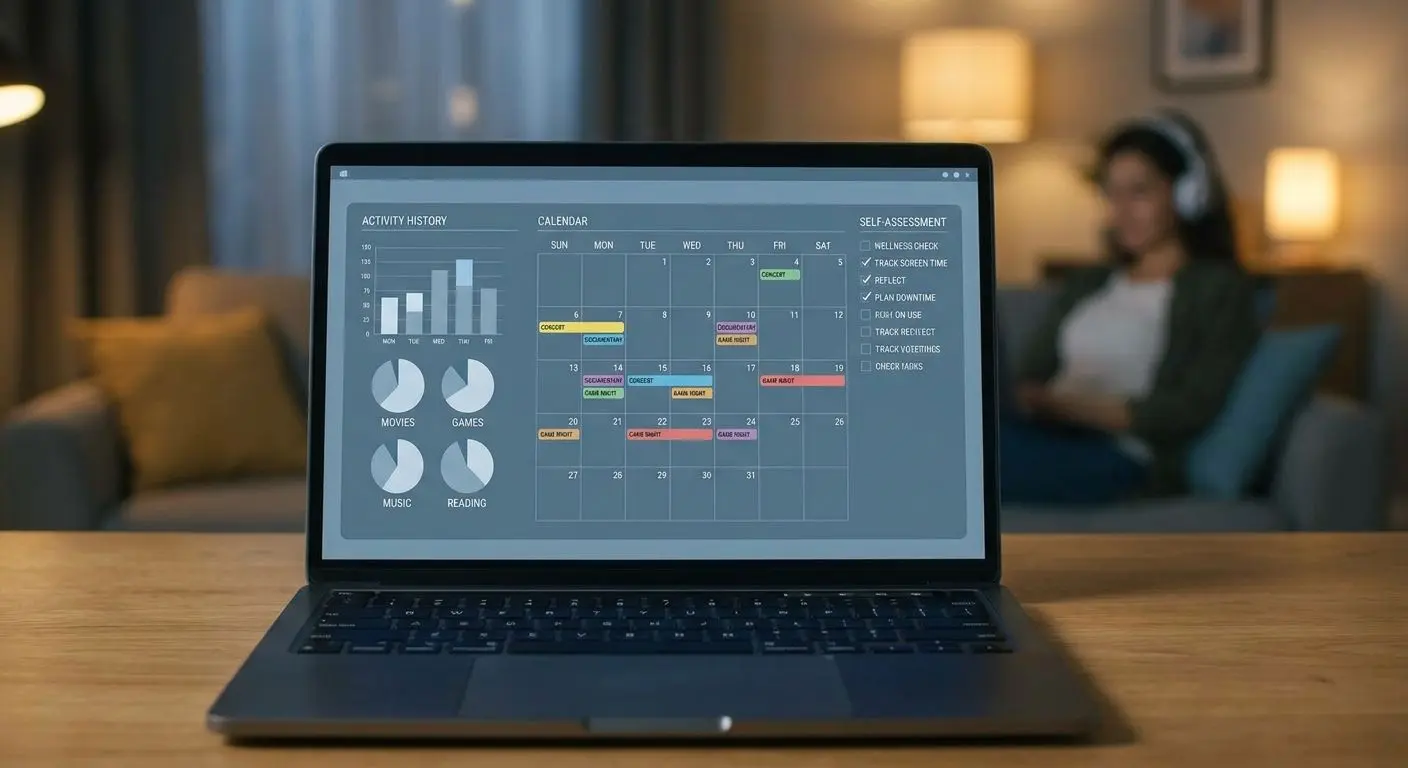
Play history gives you a more honest picture of your activity than memory alone. You can review how often you play, how much you spend, and which games you return to most often.
I recommend checking this regularly, especially if your sessions feel more frequent than they used to be. Patterns become easier to spot when you look at actual account data rather than relying on rough estimates.
Self-assessment tools work in a similar way. They ask simple questions about behaviour, such as whether you play longer than planned, hide your spending, or borrow money to continue. If you answer yes to several warning-sign questions, that is usually a cue to tighten your limits and consider a longer break.
The strongest control usually comes from combining tools: deposit limits, breaks, self-assessment, and regular play history checks.
Practical tips for staying in control at PlayOJO Canada
The best control tools work even better when paired with a few consistent habits. I use the same advice across most safer-play reviews because it is practical and easy to apply.
- Set a fixed budget before you start and do not go beyond it.
- Decide how much time you will spend per day or per week.
- Avoid playing when stressed, tired, upset, or under the influence of alcohol.
- Do not chase losses by trying to win money back quickly.
- Turn on deposit limits before problems start, not after.
- Use a time-out early if sessions are becoming too long or too emotional.
- Move to self-exclusion if play is creating anxiety, conflict, or financial pressure.
If play stops feeling like entertainment and starts affecting your routine or relationships, use the strongest restriction that fits the situation right away.
Get support and stay connected with PlayOJO
You do not have to figure out every limit tool on your own. If you are unsure which setting to use, or you want help applying a stronger restriction, you can contact the PlayOJO support team for direct guidance.
Support is the fastest route for questions about limits, breaks, and self-exclusion. Social channels are better for updates, general content, and reminders. You can follow PlayOJO on Facebook, Instagram, X, and YouTube.
If you plan to continue playing after setting controls, you can also learn more about our welcome offer once your limits are in place.

Frequently asked questions about PlayOJO responsible gambling limits (FAQ)
How do I set a deposit limit on PlayOJO Canada?
Log in, open your account settings, and go to the responsible gambling or limits area. Choose a daily, weekly, or monthly cap, enter the amount, confirm it, and wait for it to apply. If you cannot find the setting, contact the PlayOJO support team for help.
Can I increase or remove my limits whenever I want?
You can usually lower limits faster than you can increase or remove them. Requests for higher limits or fewer restrictions often take time to process and may be reviewed before they apply. That delay is there to reduce impulsive decisions.
How do I self-exclude from PlayOJO?
You can usually start self-exclusion from the responsible gambling or safeguards section inside your account, or ask support to apply it for you. It is a serious long-term restriction, and it generally cannot be cancelled before the chosen period ends.
What is the difference between a time-out and self-exclusion?
A time-out is a short break, often measured in days or weeks, for players who need space and want to interrupt current habits. Self-exclusion is stricter and longer. It is better suited to situations where short breaks are not enough or control has already been lost.
What should I do if I think I have a gambling problem?
Stop playing immediately and use the strongest restriction available, such as a time-out or self-exclusion, depending on how urgent the situation feels. I also suggest speaking with someone you trust and seeking professional help. PlayOJO support can explain account restriction tools, but it does not replace professional counselling.